As the chill of winter begins to settle across the California desert, many facility managers in Twentynine Palms are shifting their focus toward ensuring their buildings are winter-ready. While the region may not face the extreme snowfalls seen in other parts of the country, winter conditions still pose specific challenges to electrical infrastructure. Temperature drops, seasonal rains, increased energy demands, and aging systems all contribute to a heightened risk of electrical issues. Taking proactive steps with winter electrical safety upgrades is not only a preventative measure, it’s a smart investment that protects property, people, and productivity.
Twentynine Palms facilities, whether they are schools, government buildings, businesses, or industrial spaces, need to implement robust electrical safety strategies before winter fully sets in. The key lies in identifying vulnerable points within the system and upgrading them before a small problem becomes a costly emergency. Working with a qualified commercial electrician in Twentynine Palms is essential in ensuring the right upgrades are implemented safely and effectively.
Upgrade Electrical Panels for Increased Winter Load
One of the first areas of focus for any facility preparing for winter should be the electrical panel. These panels are the nerve center of a building’s power distribution and can quickly become overwhelmed during the colder months. Heating systems, additional lighting, and the use of electric appliances often peak during winter, placing substantial demand on existing infrastructure.
In older buildings, outdated electrical panels may not be able to handle the increased load, posing a fire risk or leading to frequent tripping of circuit breakers. This disruption is more than just inconvenient; it can damage equipment and interrupt business operations. By upgrading the electrical panel before winter hits, facilities can ensure they have the capacity to manage the seasonal load. A commercial electrician in Twentynine Palms can assess whether a facility’s panel meets current codes and make the necessary upgrades to accommodate higher usage demands.
Replace Aging or Damaged Wiring
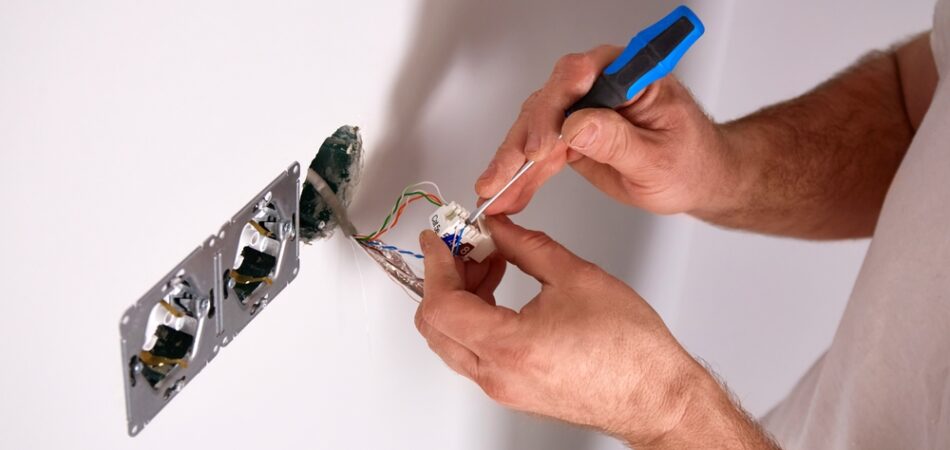
Another critical component of winter electrical safety is the condition of the wiring throughout the facility. Older wiring systems, especially those installed decades ago, may have degraded insulation, frayed lines, or poor connections. These weaknesses are exacerbated during winter due to increased usage and environmental factors like moisture.
When cold air meets indoor heat, condensation can form inside walls or crawlspaces. This moisture can infiltrate compromised wiring, increasing the risk of shorts or even electrical fires. Damaged or overloaded wires are among the leading causes of commercial building fires. Replacing outdated wiring is not only a safety upgrade, it can improve energy efficiency and reduce long-term repair costs.
Facilities in Twentynine Palms should prioritize an inspection of all wiring, particularly in high-traffic or high-demand areas. A skilled commercial electrician can perform thermal imaging scans to detect hot spots and locate issues before they cause real damage. Rewiring may seem like a major project, but it’s a crucial investment in safety and operational continuity during the winter season.
Install Backup Power Solutions
Unexpected power outages can cripple any commercial operation, and winter only increases the likelihood of such events. Whether caused by storm-related incidents, regional grid issues, or internal system failures, losing power in the middle of winter can have serious consequences. Backup power solutions, including generators and battery storage systems, are essential upgrades that every facility should consider.
A backup generator ensures that critical systems, like heating, lighting, security, and communication, continue functioning even when the main power supply fails. For medical facilities, manufacturing plants, or government buildings in Twentynine Palms, even a short power outage can disrupt services or lead to loss of sensitive data and products. Modern backup systems can be integrated directly into the electrical infrastructure and configured to activate automatically in the event of an outage.
These systems must be selected and installed with care to match the specific needs of the facility. A commercial electrician can calculate the load requirements and recommend a solution that fits the budget and operational profile. Winter is not the time to gamble with power reliability, making this one of the most valuable electrical safety upgrades available.
Upgrade Exterior and Security Lighting
With shorter daylight hours during winter, outdoor lighting becomes even more important for safety, visibility, and security. Facilities often overlook the importance of upgrading exterior lighting until a failure occurs. However, older fixtures can be inefficient, susceptible to weather damage, and potentially hazardous if left unchecked.
Modern LED lighting systems not only improve visibility but are also more durable and energy-efficient. This is particularly important for parking lots, walkways, loading docks, and entryways, where reliable lighting deters criminal activity and reduces the risk of accidents. Moreover, integrating motion sensors and smart controls can help manage energy use more effectively during longer winter nights.
In a place like Twentynine Palms, where desert winds and occasional winter rains can create unpredictable conditions, outdoor electrical systems need to be rugged and properly sealed. A commercial electrician can evaluate the current setup, replace aging fixtures, and recommend improvements that withstand winter’s demands while keeping your facility safe and accessible.
Inspect and Upgrade Heating System Electrical Components
Commercial heating systems rely heavily on electrical components to function properly. Blowers, thermostats, control panels, and emergency shutoff switches all need to be in peak condition before the cold season arrives. Failure of any one of these elements can render the entire system inoperative, leading to uncomfortable conditions for employees or clients and possibly causing pipes to freeze in unheated areas.
Inspections should include checking the wiring for corrosion or damage, verifying thermostat accuracy, and ensuring that circuit protection devices like fuses and breakers are functioning correctly. It’s also a good idea to evaluate whether the heating system is consuming more energy than it should, which can signal an underlying issue with its electrical components.
A trusted commercial electrician in Twentynine Palms can coordinate with HVAC professionals to deliver a comprehensive inspection. Together, they can ensure the heating system is not only operational but efficient, safe, and compliant with local codes. Winter electrical safety is not just about preventing hazards, it’s also about maintaining comfort and operational efficiency during the months when it matters most.
Conclusion
Winter brings unique challenges to the electrical infrastructure of commercial and institutional facilities in Twentynine Palms. Ignoring these seasonal demands can lead to equipment failure, operational interruptions, or even catastrophic damage from electrical fires or outages. Prioritizing upgrades such as modernizing electrical panels, replacing old wiring, installing reliable backup power, enhancing exterior lighting, and maintaining heating system components can significantly reduce risk.
These upgrades should not be viewed as optional or reactive. They are essential steps in maintaining safety, preserving business continuity, and reducing long-term maintenance costs. With the guidance of a licensed and experienced commercial electrician in Twentynine Palms, facility managers can approach the winter season with confidence, knowing their electrical systems are built to withstand the challenges ahead.
By investing in these winter electrical safety improvements now, Twentynine Palms facilities ensure that both their infrastructure and the people who depend on it remain protected throughout the colder months. Safety, efficiency, and preparedness are the cornerstones of a successful winter strategy.